

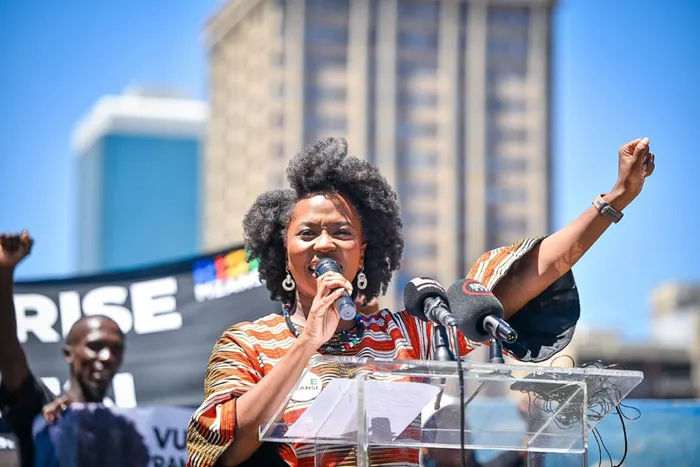
MEC for Finance and Economic Development, Vuyiswa Ramokgopa, unveiled the Gauteng Liquor Board's findings, shedding light on troubling irregularities in the issuance and renewal of liquor licenses.
Image: Supplied
The DA in Gauteng has welcomed the release of a scathing report from the Gauteng Liquor Board's (GLB) Committee of Inquiry, which has unearthed significant governance challenges.
This comes as MEC for Finance and Economic Development, Vuyiswa Ramokgopa, released the report, with the MEC indicating it found irregularities in the issuing and renewal of liquor licenses.
According to the report, the governance framework of the Gauteng Liquor Board has collapsed amid allegations that consultants are running a parallel licensing structure in which they draft applications, manipulate files, and orchestrate approvals, often in direct collusion with insiders.
"The report is very far-reaching. It looks at the systemic failures. It looks at the governance failures. It speaks to the board itself, but it also speaks to the interface that we have as an authority, with municipalities as well as with law enforcement, and how we can strengthen some of those regulatory weaknesses currently."
The report, which had been submitted to Gauteng Legislature’s Portfolio Committee on Economic Development and was made available to the MEC after she assumed office last month, also details the challenges at the GLB, including collusion between owners and inspectors.
One significant repercussion of these governance failures has been the backlog in processing liquor licenses. Ramokgopa pointed out that this delay has significantly contributed to the growth of illegal liquor outlets across the province.
"So, I think anybody who is operating in the liquor industry or who has engaged with the liquor industry can attest to some of the challenges that are faced. For example, we've seen a proliferation of illegal liquor outlets in many of our communities. There are about 200,000 estimated illegal operators in the liquor industry, which is a big issue around enforcement. Beyond that, there are also challenges around licensing, that have been raised in the report," she stated.
DA's provincial shadow MEC for economic development, Mike Moriarty, who has scrutinised the operational status of the liquor board, maintained that the GLB is in disarray and struggling to process liquor licence applications in a timely fashion.
Following delays in the report's release, Moriarty emphasised the urgent need for Ramokgopa to implement the report’s recommendations urgently, to ensure proper management of the GLB, prevent potential job losses, and contribute to the growth of the province's economy.
"This report was concluded in October last year, but sat on the former MEC Lebogang Maile’s desk up until this point. It is unacceptable that a report should take so long and not be released to the public. The shortcomings of the GLB were obvious and did not require the cost of a committee. The former MEC really should have used his executive powers and acted."
Some of the recommendations in the report include strengthening compliance monitoring and enforcement operations, reviewing suspicious and unlawfully issued licenses, strengthening consequence management mechanisms, and digitising and modernising licensing systems.
siyabonga.sithole@inl.co.za