

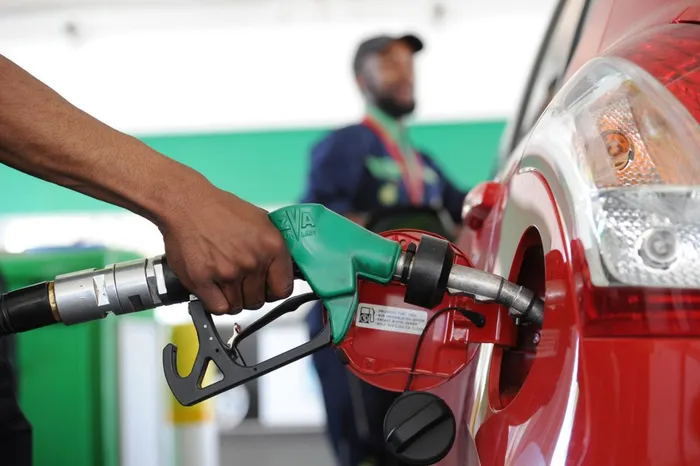
The eThekwini Ratepayers and Residents Association urges the municipality to monitor and reduce its fuel consumption amid rising costs.
Image: Karen Sandison / Independent Media
The eThekwini Ratepayers and Residents Association (ERRA) said the city should tighten its belt regarding fuel consumption due to the war in the Middle East.
Ish Prahadh, the chairperson of the ERRA, was reacting to the city fleet management and administration report to the municipality’s finance committee for January 2026. The report outlines fuel consumption between October and December 2025.
Prahladh was concerned that the war between Iran, the USA, and Israel could see the municipal fuel bill skyrocket if austerity measures are not implemented.
The latest data from the Central Energy Fund indicates that petrol prices will increase by up to R5.41 per litre, and diesel prices by up to R9. Earlier this week, at least two Durban fuel stations - in Chasworth and Phoenix - came under scrutiny for selling diesel at over R29,00 per litre, leading to questions from consumers.
The municipality has a fleet size of approximately 9 240 vehicles, including Durban Transport buses and heavy construction plant equipment. Each municipal department has allocated vehicles, like water services has 2,074; energy management 1,850; recreation and parks 860; waste management 858, and Durban metro police has 552.
The fleet size category comprises cars (1,308), light delivery vehicles (3,340), trucks (2,526), and construction plant (573). The report stated that 93% of the vehicles were available to deliver municipal services.
The fuel analysis report indicated costs for October were R39.6 million, November (R40.3 million) and December (R37 million). Litres of fuel used include, October (2 million), November (2.1 million), and December (1.9 million). The mileage recorded for municipal vehicles in these months were as follows: October (6.6 million kilometers), November (5.9 million km) and December (5.1 million km).
The municipality said driver behaviour was being monitored, including vehicles leaving the municipal jurisdiction. The vehicle monitoring centre also monitors municipal vehicles that travel outside the eThekwini area. Notifications of usage were sent to line managers daily, and monthly reports were monitored.
Regarding speed limits, the onboard vehicle monitoring equipment records overspeeding, which was linked to the speed limit on the route the vehicle was travelling. This information enabled the municipality to monitor and improve driver behaviour, which helps to reduce operating costs and the risk of accidents.
The report stated that the bus fleet operates at 100% during peak hours.
Prahadh said the fuel consumption for certain municipal divisions should be monitored and contained as much as possible.
"This is a ridiculous amount being spent on fuel when the city coffers are running dry. We certainly hope that there is accountability and oversight. Irrelevant trips should be cancelled, and vehicles should not be taken home by staff members. Every million saved can be used to fix the infrastructure," he said.
Prahladh believes that while there were good employees in the municipality, some seem to be abusing the system.
"Ratepayers were also aware of municipal vehicles, used by some security personnel, idling in one position for hours," he said.
zainul.dawood@inl.co.za