

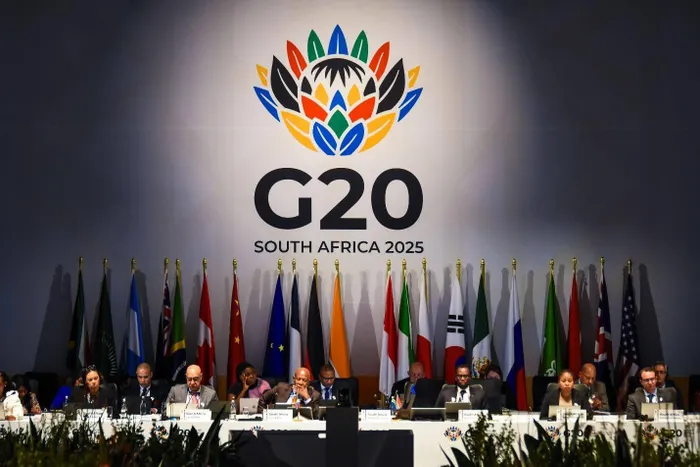
When South Africa took on the G20 Presidency, it was more than just a ceremonial milestone, writes the author.
Image: Supplied
When South Africa took on the G20 Presidency, it was more than just a ceremonial milestone. It marked a quiet yet significant moment in history - the first time an African country would set the tone, shape the agenda, and guide discussions in the world’s most influential economic forum. For South Africans, used to a global narrative that often talks about Africa rather than to or with it, this was a rare and overdue shift. However, as the year comes to an end, a lingering concern remains: will the Presidency be remembered only as a November headline, or will it serve as the start of a lasting economic effort with real effects on the lives of South Africans and our regional neighbours?
South Africa’s presence in global governance is not new. Over the years, we have carried leadership roles with a seriousness that belies our size. Our seats at the table have often been earned rather than given through persistent advocacy, a history of peaceful constitutional transition, and a reputation for punching above our economic weight. We have steered BRICS discussions during pivotal global inflection points, elevating issues of development finance and multipolar cooperation. Within the African Union, our leadership has frequently been called upon to mediate crises, shepherd reform, or assert continental positions in global diplomacy. And during the era of UN and WTO reforms, South African negotiators became known for their deft diplomacy: firm on principle, flexible on process.
But the G20 Presidency is different. It isn’t just another rotational appointment or diplomatic honour. It’s an invitation to shape global economic conversations during a time when multilateralism faces pressure, developing countries deal with rising debt crises, and global markets struggle with volatility, technological upheaval, and increasing inequality. It’s a moment that aligns perfectly with South Africa’s strategic identity: a bridge between the Global North and South, between advanced economies and emerging markets, and between the industrialised and the industrialising world.
This is why the Presidency cannot be allowed to fade in November. If it becomes simply another entry in the archive of high-level summits, we will have squandered more than symbolism. We will have wasted a moment of global permission - permission to articulate African economic priorities with authority, and to define a long-term agenda for inclusive growth.
The discussions that South Africa sparked about reforming global financial systems, increasing digital access, developing sustainable infrastructure, and removing barriers to growth in developing countries - must now lead to action at home. Otherwise, our words on the world stage will lack meaning if they don't translate into local change.
The first opportunity is to leverage the Presidency to boost investor confidence. South Africa faces a credibility issue, not because our ideas are weak, but because implementation is inconsistent. A successful Presidency with clear follow-through can reinforce the message that South Africa is committed to governance, reform, and institutional strength. It offers us a chance to challenge the prevailing narrative of drift and dysfunction by demonstrating that the machinery of the state can still operate strategically and purposefully.
Secondly, South Africa should harness the G20's momentum to develop a continental economic agenda. The world is finally recognising Africa not just as a recipient of global aid but as a participant in global economic opportunities. Clean energy transitions, green industrialisation, cross-border payment systems, digital public infrastructure, and sustainable mining value chains are emerging as key priorities across the continent. The Presidency provides South Africa with a platform to advocate for these issues, not as abstract ideals but as a strategic plan to transform Africa’s role in global supply chains.
Thirdly, and perhaps most importantly, we need to ensure the Presidency matters for everyday South Africans. Global summits often seem distant from daily life, especially in a country struggling with unemployment, rising living costs, and institutional decline. But global governance is not just for elites. When implemented effectively, it influences the economic factors that affect currency stability, investment flows, infrastructure funding, and even the borrowing costs for small businesses. The key is to communicate this link clearly and honestly: the G20 Presidency will only be meaningful if it is part of a larger national effort to reform and renew the economy.
This requires political will, discipline, and a willingness to measure progress with hard metrics rather than lofty rhetoric. It also involves continuity - an assurance that the priorities championed during our Presidency will be institutionalised, funded, and monitored long after the summit banners come down.
If South Africa is to emerge from this moment stronger than before, it must view the Presidency not just as a diplomatic event but as a strategic tool. One that helps rebuild trust in our institutions, restore our standing in global markets, deepen regional integration, and support a long-term growth strategy that endures beyond political cycles.
The world listened to us this year. The question is: will we now listen to ourselves?
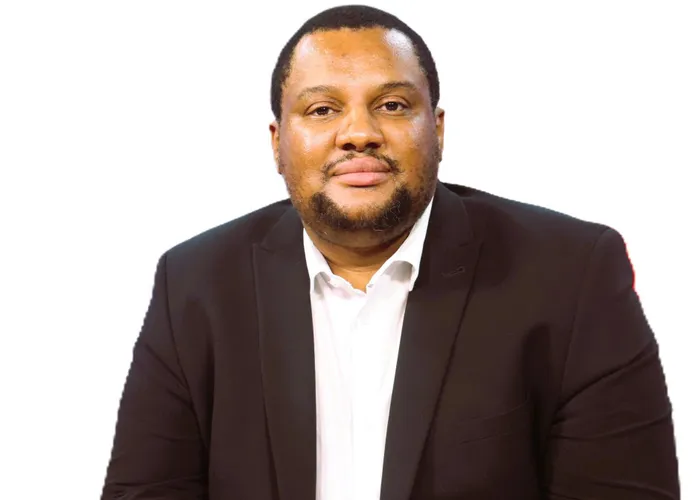
Dr Ntokozo Mahlangu is a member of the Strategic Advisory Board of The DaVinci Institute.
Image: Supplied
Dr Ntokozo Mahlangu serves on the Strategy Advisory Board at the Da Vinci Institute, a think tank, and writes in his personal capacity.
*** The views expressed here do not necessarily represent those of Independent Media or IOL.
BUSINESS REPORT