


COP30 showcased both progress and challenges in global climate negotiations, says the author.
Image: AI LAB
At the conclusion of the 30th Conference of Parties to the United Nations Framework Convention on Climate Change (COP30) , when I ultimately bid farewell to the City of Belem, I felt a sense of relief and hope. A sense underwritten by the promise of what we had achieved from the negotiations and the conference - an outcome which signalled a commitment to action in the face of escalating climate crisis.
Just as the news broke that the Brazilian presidency had released a final package coined as “global mutirão” – a name meaning “collective efforts”, after an all night negotiations in city of Belem, I thought “maybe, the Amazon never sleeps”. The Brazilian Presidency’s’ compact was an earnest attempt to pull together nations on controversial issues that had divided the two weeks of negotiations, on matters including finance, trade policies and meeting the Paris Agreement’s 1.5C temperature target.
With the same sense, I proclaimed “the South has punched equal to its weight”. With determination and solid will, President Lula Da Silva and President Cyril Ramaphosa threw multiple punch combinations at pessimists and restored the hope of developing countries, and sent a message that a “a just society is possible”.
COP30 showcased both progress and challenges in global climate negotiations. The proclamation was in equal observation of how South Africa was trailblazing into of her G20 Presidency despite machinations of the United States government, in an attempt to muddy and prevent an outcome that will amplify ramp up decibels from yet another nation in the South.
What did COP archive
While significant strides were made in adaptation finance and establishing a just transition mechanism, the lack of consensus on fossil fuel commitments reflects ongoing divisions among nations. This is however not different in our own domestic debate, particular as it relates to the future on coal in our energy mix
Adaptation Finance: Previously labelled the half-sibling of the real climate action, adaptation has now reclaimed its fair share of attention. A major outcome was the agreement to triple adaptation finance by 2035, reflecting the urgent need for funding to help vulnerable countries cope with the impacts of climate change, and to accelerated progress towards the achievement of Global Goal on Adaptation (GGA).
COP30 acknowledged the possibility of overshooting scary reality of the 1.5 °C Paris agreement target, emphasising the need to limit both the extent and duration of any overshoot. This was part of the broader Belém Mission to 1.5 °C, aimed at enhancing national climate commitments (NDCs), which have all-in all failed to demonstrate the required level of ambition.
Just Transition Mechanism: A formal mechanism was established to ensure that climate action includes labour rights and the inclusion of marginalised groups. This was seen as a significant win for climate justice advocates, emphasising that the transition to a low-carbon economy must be equitable.
Fossil Fuel Commitments: Despite calls from over 80 countries for a roadmap to transition away from fossil fuels, the final agreement did not include specific commitments in this area. Instead, it launched voluntary initiatives like the Global Implementation Accelerator to support countries in achieving their climate goals. This was a compromise which included the options for action in the form “roadmaps” beyond the UN climate governance and multilateral system.
Broader Collaboration: COP30 highlighted the importance of collaboration beyond the formal UN framework, with numerous pledges from cities, states, and the private sector to enhance climate action. This shift indicates a move from negotiation to implementation, focusing on practical solutions to climate challenges. This should be celebrated, as it begins to bring all actors, and particularly local government into the heartbeat of climate action.
As we applaud the best we could get of our Belem and Johannesburg, we must remain steadfast alert to the underlying issues fuelling the lack of consensus on key issues such of “unilateral trade measures” and financial shortfalls which reveals deep divisions and multi-polarisation towards what is undoubtedly, humanity greatest threat.
Indeed, COP30 might not be a reflection of countries had hoped for and what the world needs urgently, particularly developing countries- but it has reaffirmed the notion of a re-emergence of coalition of the willing.
Whilst we need global commitment, we need to acknowledgment that compacts – can be meaningful short-stop measures, to keep the pace with much more to archive agreements and pledges.
The Hosting of COP30 and the G20 in Brazil and South Africa, respectively, was not without the spectre of domestic and international opinion makers, lobby groups and the sacramental protests and whining of those seeking the limelight or in this instance, diverting attention from themselves.
It is for this reason, that we must celebrate outcomes of Belem and Johannesburg, knowing that climate change remains humanity greatest existential threat.
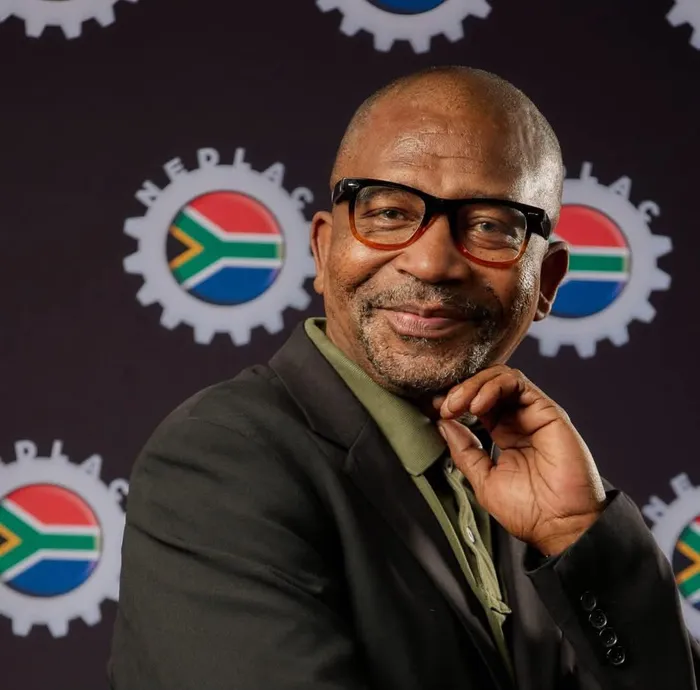
Blessing Manale is Executive Manager, Consensus Building and Communications at the Presidential Climate Commission.
Image: Supplied
Blessing Manale is Executive Manager, Consensus Building and Communications at the Presidential Climate Commission
*** The views expressed here do not necessarily represent those of Independent Media or IOL.
BUSINESS REPORT