

South Africa enters the new year with evidence of real improvement in Eskom’s operational performance, says the author.
Image: Timothy Bernard, African News Agency (ANA)
South Africa enters the new year with evidence of real improvement in Eskom’s operational performance. Over the course of 2025, the energy availability factor rose meaningfully, unplanned outages declined, diesel usage fell sharply, and planned maintenance was executed with greater discipline across the calendar. These outcomes did not emerge by chance. They reflect sustained operational effort inside a generation fleet that, for years, operated under extreme scarcity and constant emergency conditions.
For this the Eskom team under the leadership of chairman, Dr Mteto Nyati and chief executive, Dan Marokane should be commended.The improvement visible in the final week of 2025 has drawn particular attention.
An energy availability factor well above historical norms for that period invites scrutiny, especially in a system where trust has been eroded over a period of decades. Yet the explanation sits in plain operational logic. Seasonal demand was lower at year end. Breakdowns were fewer. Earlier maintenance returned units to service. For a brief period, the system operated with slack. The presence of cold reserve during that week does not signal manipulation. It signals a system momentarily released from the obligation to run every available megawatt to meet demand.
Such weeks are uncommon in South Africa’s recent electricity history, which explains the surprise, but they are not implausible. Operational recovery, however, is only one dimension of institutional health.
Alongside improved generation performance sit unresolved failures that materially undermine Eskom’s credibility and financial position. Municipal non-payment remains deeply concentrated, with a handful of Mpumalanga municipalities accounting for a quarter of all municipal debt owed to Eskom.
Theft of prepaid electricity tokens by Eskom employees continues at alarming levels. Theft of pre-paid tokens by Eskom employees during the last reporting year is close to 10% of total outstanding municipal debt, comparable to free basic electricity grants to all indigent households in South Africa for a year.
These losses are not marginal. They erode revenue, distort incentives, show disregard for public trust and weaken the financial foundation required to sustain operational gains.This is the risk in the current moment. Improved plant performance creates space. It reduces emergency costs. It allows maintenance to be planned rather than improvised. It lowers diesel expenditure and wear on equipment. Yet space is not recovery. Recovery requires that gains in operations are matched by progress in governance and revenue integrity. A system cannot stabilise on generation discipline alone while leakage elsewhere continues unchecked.
The public debate around Eskom’s performance data reflects this tension. Improved outcomes invite closer examination because institutional trust remains fragile. That fragility was not created by a single data point or a single year. It was created by repeated experiences of collapse, fiscal stress, and governance failure.
In such an environment, transparency is necessary, but it is not sufficient. Credibilityis rebuilt when operational success, financial discipline, and institutional accountability advance together. There is a danger in framing the present moment as vindication or as proof that the crisis has passed. The electricity system remains constrained. Maintenance backlogs still exist. Transmission capacity continues to limit new connections. Municipal finances remain uneven. Theft, both external and internal, continues to drain value from the system.
These conditions define the operating environment going into 2026. At the same time, dismissing genuine operational improvement would be equally damaging. It would obscure the reality that disciplined execution of the generation recovery programme has changed system behaviour. It would weaken incentives for continued operational focus. It would collapse necessary distinctions between technical progress and institutional completeness.
The task ahead is, therefore, one of alignment. Operational gains must be protected and extended. Revenue losses must be confronted with the same seriousness as plant performance. Governance failures at municipal level cannot remain externalised while Eskom is expected to carry the full burden of system stability. Celebration without consequence invites backlash. Scepticism without proportion undermines progress. The electricity system has shown that improvement is possible. The harder work now lies in ensuring that this improvement is durable, credible, and translated into institutional recovery rather than technical and operational success. That will determine whether 2026 marks consolidation or a cycle of disappointment.
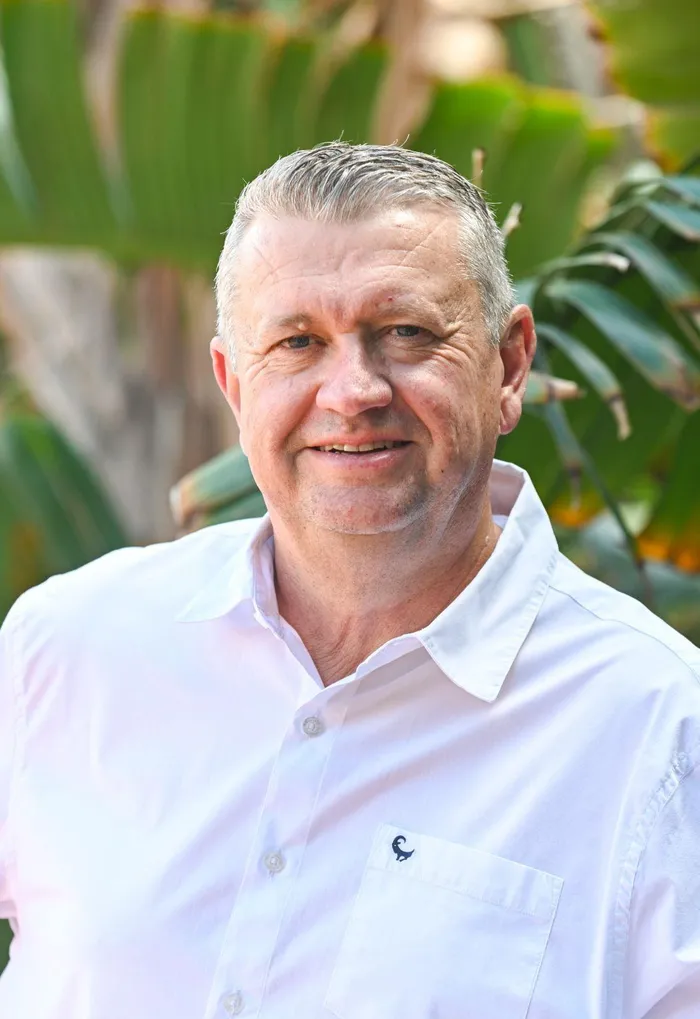
Thomas Garner holds a Mechanical Engineering degree from the University of Pretoria and an MBA from the University of Stellenbosch Business School.
Image: Supplied
Thomas Garner holds a Mechanical Engineering degree from the University of Pretoria and an MBA from the University of Stellenbosch Business School. Thomas is self-employed focusing on energy, energy related critical minerals, water and communities. He is a Fellow of the South African Academy of Engineering and a Management Committee member of the South African Independent Power Producers Association.
*** The views expressed here do not necessarily represent those of Independent Media or IOL.
BUSINESS REPORT