


Even matchmakers answer to someone.
Image: Unsplash
January is noisy. Social media fills with intentions declared, resolutions announced, roadmaps unveiled. The signal-to-noise ratio collapses.
Everyone is starting fresh, moving forward, building something new. Yours truly included, I should add, nine episodes deep into a short-form video series riffing on this very column called TechTides: The Take.
Then Flutterwave announces it's acquiring Mono, and I find myself wondering which category this falls into.
The coverage has been enthusiastic. One of Africa's most valuable fintechs absorbing a leading open banking infrastructure company. The future of embedded finance. Strategic synergies. You know the script.
But here's what caught my attention: the deal is all stock, no cash. When a company valued at $3 billion pays entirely in equity for a relatively modest acquisition, that's not (necessarily) a flex. That's arithmetic.
Lawyer and analyst Lumi Mustapha published a forensic breakdown last week, reverse engineering Flutterwave's likely balance sheet. His read is bracing. A company that raised $250 million nearly four years ago, hasn't announced a new round since, and chose stock over cash isn't signalling strength. It's conserving runway. The all-stock structure, he argues, isn't strategy. It's necessity.
Which brings me to the matchmakers.
Tiger Global and Y Combinator backed both Flutterwave and Mono. This deal probably isn't just two companies falling in love. It's shared investors consolidating their portfolio. The aunties may well have arranged a marriage.
Arranged marriages get a bad rap, but the data is more nuanced. It is widely claimed in popular articles that a large share of marriages globally are arranged, with some citing mid single‑digit divorce rates for those unions versus around 40% in the US.These figures are frequently debated and shaped by under‑reporting and cultural barriers to divorce. Lower divorce rates don't necessarily mean healthier marriages, of course. Sometimes people stay in difficult situations because leaving isn't an option.But the real question in this instance isn't whether arranged marriages work. It's what happens when the matchmakers themselves are under pressure to perform.
I haven't spoken to anyone at these funds, so I want to be fair to that. But between conversations with venture capitalists (VCs) in my network and the broader signs of the times, certain patterns become hard to ignore.
Carta's 2025 Fund Economics Report offers a telling glimpse behind the curtain. Venture funds raised in 2022 have deployed only 67% of their capital after nearly four years, compared to around 80% for other recent vintages.
The median number of limited partners (LPs) per fund - the big-money investors risking their shekels - has halved since 2021, from 51 to just 23, while anchor cheques now account for over 22% of total fund size. In plain terms: the matchmaker general partners (GPs) have fewer backers, bigger expectations, and a growing need to show they're doing something with the money.
Meanwhile, the 2-and-20 fee structure hasn't budged. Fund managers still collect their 2% management fees whether they're deploying capital or not. The business model rewards assets under management, not performance.
So when shared investors look at Flutterwave and Mono sitting in the same portfolio, consolidation isn't altruism. It's portfolio management. It's activity that can be reported as progress.
A year ago, I published a piece by venture builder Sona Mahendra arguing that African tech's real challenge is matching funding models to realistic outcomes.
Her point was blunt: we've been strangling good businesses by forcing VC expectations onto them. The Flutterwave-Mono deal appears to sit squarely in that tension. Mono, by founder Abdulhamid Hassan's own account, was on track to profitability with significant cash reserves. On Hassan’s telling, they weren’t under immediate pressure to sell.
And yet…
I'm not saying consolidation is wrong. Sometimes it makes strategic sense. Sometimes the whole genuinely is greater than the sum of its parts. But let's not confuse engineering exits with building enduring value.
The pressure for dealflow doesn’t appear to be coming from African markets. It's not a stretch to imagine that it’s at least partly influenced by fund managers who need to show their LPs that their 2022 vintages weren't a write-off.
For many, January is for declaring intentions. February is for the first missed milestones. By March, we're negotiating with reality.
The question I'm sitting with as 2026 gets started: when we celebrate African fintech M&A, whose reality are we negotiating with? The founders building products? The customers using them? Or the matchmakers with their own marriages to save?
Happy New Year. What's your take?
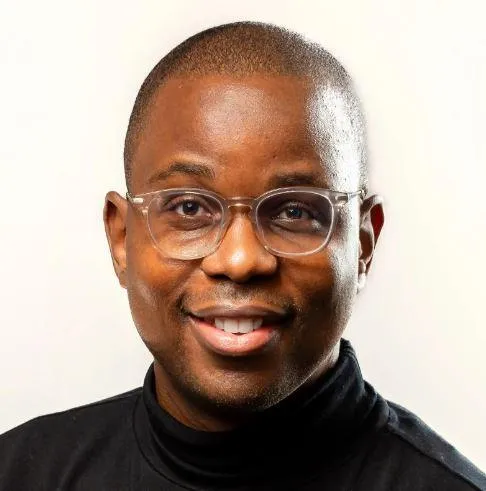
Andile Masuku is Co-founder and Executive Producer at African Tech Roundup. Connect and engage with Andile on X (@MasukuAndile) and via LinkedIn.
Image: File.
Andile Masuku is Co-founder and Executive Producer at African Tech Roundup. Connect and engage with Andile on X (@MasukuAndile) and via LinkedIn.
*** The views expressed here do not necessarily represent those of Independent Media or IOL.
BUSINESS REPORT