

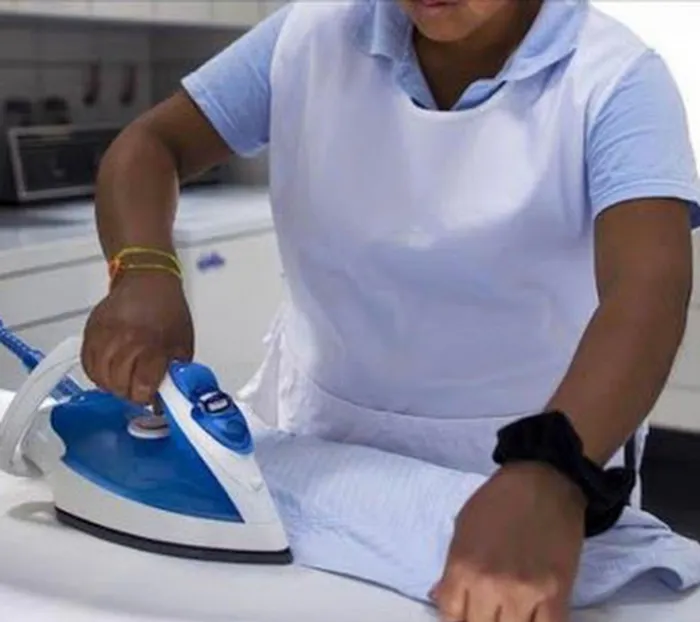
Many families already rely on domestic helpers to support aging parents or grandparents.
Image: File
South Africa’s population is aging rapidly. The proportion of citizens aged 60 and older has grown from 7% in 1996 to nearly 10% in 2022, representing over six million people. By 2050, this number is expected to reach 12 million, or roughly 16% of the population. With around 40% of people over 60 needing assistance with daily tasks, and this rising to nearly 50% for those over 75, the care sector is feeling the pressure. Many families already rely on domestic helpers to support aging parents or grandparents. These helpers often take on the role of companion, cook, cleaner, and carer all in one. Their willingness to help is remarkable, but caring for older adults requires a different set of skills than caring for children or managing a household. As health needs become more complex, so does the care required.
The skills gap in home-based elderly careSenior adults face challenges beyond the scope of daily housekeeping. They may need assistance with bathing, mobility, medication, or meal planning that supports chronic health conditions. Common issues such as arthritis, diabetes, or heart disease require careful attention, while cognitive decline from dementia or Alzheimer’s adds another layer of unpredictability.
Without proper training, even the most caring domestic worker may miss early signs of dehydration, pressure sores, or infection. These aren’t small issues; they can quickly lead to serious health complications. The reality is that most domestic workers simply haven’t had the opportunity to learn what to look for or how to respond safely. This is where structured training makes all the difference. Upskilling domestic helpers in elderly care empowers them to provide the right kind of support, turning everyday assistance into confident, informed caregiving.
Training that builds confidence and care
Practical training for domestic helpers focuses on skills that directly improve the safety and wellbeing of older adults. Courses typically cover topics such as safe lifting and mobility, personal hygiene, nutrition, basic health monitoring, and how to handle common emergencies.
What’s encouraging is that this type of training is accessible. No prior qualifications are needed, and many programmes are offered part-time so that domestic workers can continue earning while they learn. The most effective courses combine classroom learning with practical experience, allowing trainees to apply what they’ve learned in real-life care situations under supervision.
For families, this formal training recognition provides reassurance that their loved one is in capable hands. For domestic workers, it’s a chance to grow professionally, earn a certification, and take pride in a more specialised role.
Peace of mind for families, opportunity for workersWhen a domestic helper is trained in elderly care, everyone benefits. Families can rest easier knowing that their loved ones are safe, comfortable, and treated with dignity in the safety of their own homes. Small changes, like understanding how to assist with mobility or spotting the signs of a urinary infection early, can prevent hospital visits and greatly improve quality of life.
For caregivers, the rewards go beyond a pay cheque. Formal training gives them confidence, purpose, and a sense of pride in their work, while opening doors to new opportunities within the healthcare field. As more South African families face the realities of ageing parents, the demand for skilled, trusted home-based caregivers will continue to grow. By helping domestic workers gain the skills they need, families not only support their loved ones, but they also help create a stronger, more compassionate care network in their communities.
Planning for dignified aging
Elderly care isn’t just about completing daily tasks. It’s about creating an environment where older adults feel respected, safe, and valued. Families who plan by investing in caregiver training or working with skilled professionals ensure that their loved ones receive the best possible support - both now and in the years to come.
Upskilling domestic helpers is a simple, practical step with a powerful ripple effect. It provides peace of mind for families, meaningful work for caregivers, and dignity for those who’ve spent a lifetime caring for others. With the right training, compassion can become confidence, and home can remain the best place for aging with grace.

Donald McMillan, managing director at Allmed Healthcare Professionals.
Image: Supplied
Donald McMillan, managing director at Allmed Healthcare Professionals.
*** The views expressed here do not necessarily represent those of Independent Media or IOL.
BUSINESS REPORT