

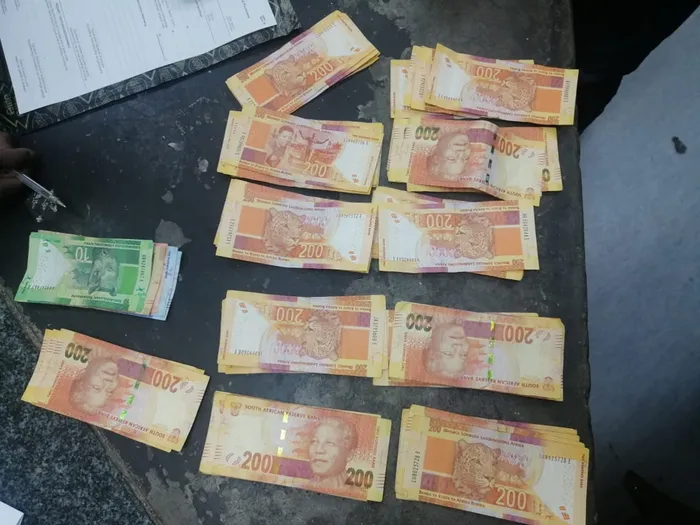
Financial expert Sean van Zyl shares practical strategies for enjoying the festive season responsibly, whether you're receiving a bonus or not. Learn how to manage your December income, prioritize January expenses, and still create memorable holiday experiences without compromising your financial wellbeing.
Image: File
As the festive season gets closer and closer, many households begin to think about ways to stretch their budgets.
For some, this period comes with a year-end bonus or a stokvel payout, but for others, December is simply another month with regular income already committed to recurring expenses. Regardless of your financial position, careful planning can help you enjoy the season without compromising your financial well-being.
But before anything else, it’s important to determine what extra income you will actually receive in December, if any at all, because “some people receive a salary only, others receive a bonus or 13th cheque, while many do not get any additional income at all.
For those without extra disposable income, creativity is crucial when it comes to stretching their budgets. Handmade gifts, small tokens like a chocolate, Secret Santa arrangements, or simple shared activities can keep the festive spirit alive at very low cost.
This is also a good time to declutter and sell unused household items to raise cash.What many people forget is that December’s income is actually meant to carry you through January, just as November’s income is meant to cover December expenses. That’s why it’s so important to identify your essential expenses first, especially those that fall early in the new year.
Annual school fees, transport, and January necessities must be prioritised. Non-essential purchases like new TVs, upgraded furniture, or luxury items should only be considered if surplus cash is genuinely available.
Bigger purchases may be cheaper in January, making it worth delaying them to avoid unnecessary credit, and yet there is still so much we can do to enjoy the festive season without overspending.
Often, we can make do with what we have. If you have a garden, for example, host a picnic where everyone brings something. It reduces costs related to food, décor, and venue hire.
If the January expenses are covered, then use the opportunity to strengthen your financial position. You can allocate more towards debt, prioritising clearing the smallest debt first, which we call the debt snowball method. This builds momentum and frees up cash quickly. Once the smallest debts are cleared, households can then redirect funds towards bigger goals such as emergency savings, investment contributions, or retirement planning. However, for those fortunate enough to receive additional income, such as a bonus or stokvel payout, I recommend the following as a practical guideline:
Please note, however, that a generally healthy expenditure structure is usually 50% towards needs, 30% towards wants, and 20% towards savings. This framework can guide households regardless of their income level. It’s often the small, consistent habits that create the biggest financial progress over time. Building financial resilience is less about the amount you save and more about the habit itself.
Whether you receive a bonus or not, being deliberate about every rand you spend puts you in a stronger position. Over time, the discipline compounds and makes it easier to build an emergency fund, create a buffer worth several months of income, and invest for long-term security.
* Van Zyl is a certified financial planner® at Old Mutual Personal Finance.
PERSONAL FINANCE