

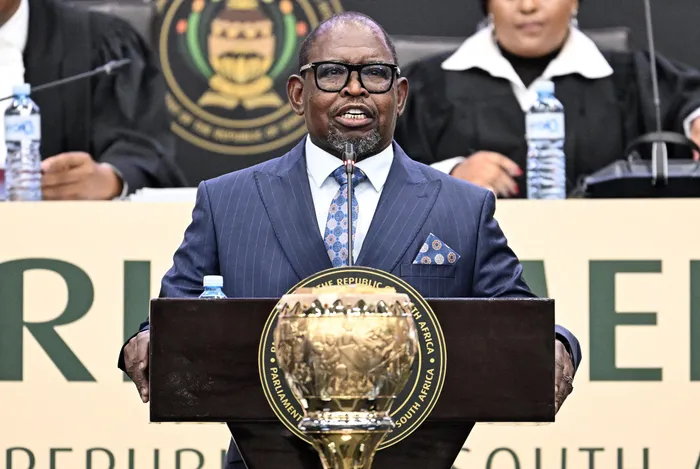
Finance Minister Enoch Godongwana. Discover how the 2026 National Budget will shape your financial landscape with ten essential insights that highlight both opportunities and challenges for South Africans.
Image: GCIS
The 2026 National Budget, delivered by Finance Minister Enoch Godongwana, was brimming with headline-grabbing positives: a long-awaited credit rating upgrade, South Africa’s removal from the FATF grey list, stabilising debt after nearly two decades, and the withdrawal of R20 billion in proposed tax hikes. On paper, it paints the picture of a country regaining its footing.
But beneath the optimism lies a sobering reality. Economic growth remains muted, with GDP projected at just 1.6% this year and edging towards 2% over the medium term. For households, this is a Budget of relief and opportunity – but not rescue.
Jurgen Eckmann, wealth manager at Consult by Momentum, cautions: “Policy is moving in the right direction, but wealth creation and preservation remain a personal responsibility. This Budget rewards discipline, not complacency.”
Here are ten ways the Budget will affect you – and what to keep in mind.
After two years of frozen tax brackets, the government has adjusted personal income tax tables in line with inflation. This prevents salary increases from unfairly pushing earners into higher tax brackets without real gains in disposable income. For many salaried South Africans, it’s a welcome reprieve.
The annual Tax-Free Savings Account (TFSA) limit rises to R46,000 – an extra R10,000 that can grow entirely tax-free. “If you can save, maximise this allowance. Compound interest is powerful, but only if you leave your retirement savings untouched," says Eckmann.
Eckmann says the retirement fund deduction cap has been raised, boosting tax efficiency for higher earners while encouraging long-term capital growth. With limited state support in retirement, the government is signalling that individuals must shoulder the bulk of responsibility.
Thanks to stronger-than-expected revenue collection, proposed tax increases were withdrawn. While positive for confidence, Eckmann warns: “This is a reprieve, not a guarantee. If growth disappoints, hikes could return," he says.
Gross debt is projected to peak and decline, with narrowing deficits and easing debt-service costs. This improves the long-term interest rate outlook, potentially lowering borrowing costs. But debt remains elevated, meaning stabilisation is only a foundation, not a comfort zone, he says.
Government plans to spend over R1 trillion on infrastructure, focusing on transport, logistics, and energy. If executed well, this could lower business costs and support job creation. If mismanaged, it risks becoming another missed opportunity, he says.
More than 60% of municipalities are in financial distress, with water and electricity failures directly affecting property owners. Eckmann stresses: “Municipal performance now plays a critical role in long-term property valuations. It must be factored into estate and retirement planning.”
According to Eckmann, the VAT registration threshold has increased, easing compliance burdens. Capital gains tax exclusions for business disposals and primary residences have also improved, supporting succession planning and retirement exits for entrepreneurs.
The government is incentivising savings, yet nearly half the population relies on social support. For those with surplus income, this is one of the most favourable savings environments in years – low inflation, expanded tax-efficient limits, improved fiscal credibility. For others, survival remains the priority, says Eckmann.
Credit upgrades and fiscal discipline are real achievements. But with unemployment above 30% and growth at 1.6%, this is stabilisation, not transformation. “This Budget rewards those who manage tax efficiently, save consistently, and invest with a long-term horizon. Now is the time to consult a qualified adviser to take advantage of these changes," Eckmann says.
Bottom line: The 2026 Budget offers relief and opportunity, but not rescue. For South Africans, discipline remains the most valuable currency.
PERSONAL FINANCE