
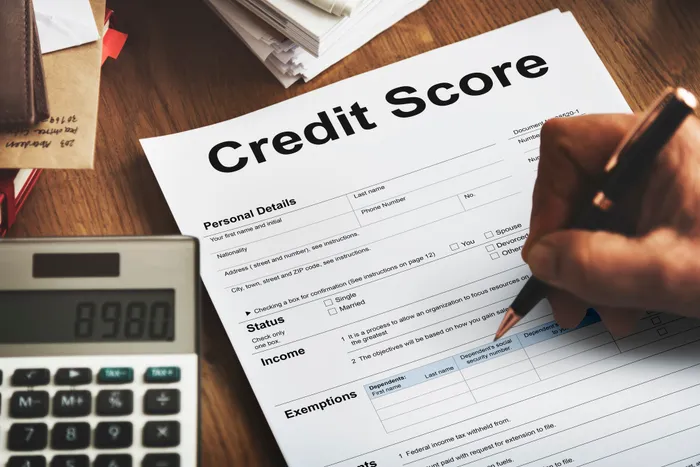
Discover the everyday money habits that could be silently damaging your credit score and learn practical steps to improve your financial health.
Image: Rawpixel/Freepik
As National Debt Awareness Month has just drawn to a close, many households are grappling with what’s often referred to as the annual “debt hangover”, according to Afua Darko, business head at Sanlam Credit Solutions.
She says the pressure typically builds after December’s festive overspending and January’s back-to-school expenses, leaving families leaning more heavily on credit to bridge the gap.
According to the Sanlam Credit Confidence Index, 53% of millennials on the platform are already directing more than half of their monthly income towards debt repayments.
According to Darko, this period, while overwhelming, is the perfect time for a financial reset. “Today might feel difficult, but tomorrow will be better, as long as you take practical steps to recover, rather than hoping it passes on its own.”
She explains that recovery starts with understanding exactly what lenders see when they pull your credit report. While most consumers know that missed payments are damaging, several subtle, everyday habits quietly erode credit scores.
Applying for multiple credit products at once
In the digital age, it takes minutes to open several browser tabs and submit loan applications to multiple lenders simultaneously. But every single application triggers a “hard enquiry” on your credit report, regardless of whether you are approved, declined, or choose not to take the product. Frequent applications signal distress and lower your score, she says.
The fix: Compare rates and terms online first, rather than formally applying just to see which rate you may qualify for.
Maxing out your credit utilisation
Even if you pay instalments on time, consistently using 100% of your available limit is a red flag.
“Using your maximum credit limit every month indicates to lenders that your salary is not enough to get you through the month, and you are using credit as an extension of your income. It means you are often just shifting money around rather than paying off the capital," Darko says.
The fix: Aim to keep your utilisation well below your maximum threshold.
Skipping the wrong payments to cover others
When money is tight, it can feel logical to skip one debit order to cover another. Darko warns that skipping payments always does more harm than good.
She advises prioritising secured debt first (like home loans or vehicle finance), then unsecured debt (store accounts, credit cards, personal loans), and never cancelling insurance products. “If you stop paying a R200 premium that might have saved you R200 000 in the event of an unforeseen medical emergency, you may be forced to take on significant debt later and could end up in debt counselling because you didn’t have cover.”
Darko says: “Debt is not inherently bad, but debt becomes harmful when it is used without a plan or is managed irresponsibly. Problems arise when debt is taken on without considering affordability or the long-term impact on your finances. For example, credit can help you buy a home, start a business, or handle emergencies.”
She highlights practical steps:
“The key is awareness. When you understand the habits that are quietly dragging your score down, and take small steps to change them, recovery is possible and often happens faster than you would expect," Darko says.
PERSONAL FINANCE