
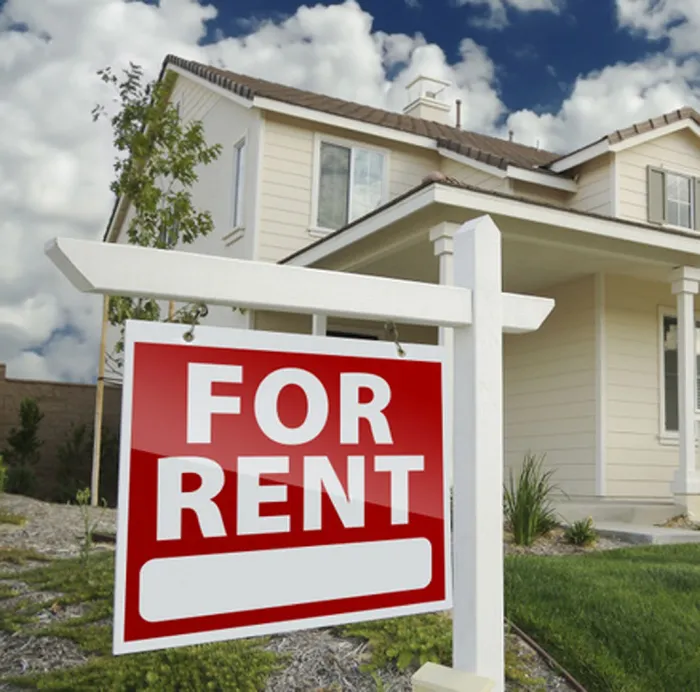
For Rent Real Estate Sign in Front of House Discover how the 2026 Budget impacts the South African property market, from tax relief for sellers to enhanced affordability for buyers, and what it means for landlords and tenants.
Image: Andy Dean Photography
Last month’s Budget Speech delivered on what the property market, in its current state, most needed: the promise of a stable foundation that is conducive to growth.
The 2026 Budget delivered a steady, confidence-supporting outcome for the residential property market, one that we believe will aid positive momentum for both buyers and sellers.
While the measures introduced in this year’s Budget aren’t intended to supercharge the South African property sector overnight, the fact that Minister Godongwana introduced no new property taxes, transfer, or VAT duty curveballs means that both buyers and sellers can plan their next move with certainty.
The new tax relief measures, particularly the decision to increase the VAT registration threshold for small businesses from R1 million to R2.3 million, could have an unexpected positive knock-on effect on the property market.
Lower VAT registration thresholds have historically discouraged small businesses from expanding, limiting income growth for many entrepreneurs. With more breathing room, business owners can focus on scaling their operations and improving profitability. Over time, that increased income stability and confidence can translate into greater homebuying power
He unpacks the impact of the 2026 Budget Speech on the property market’s stakeholders as follows:
What it means for sellers
For sellers, the positive is clear: no new property-related taxes and an increase in the Capital Gains Tax (CGT) exclusion on the sale of a primary residence, from R2 million to R3 million. This means the first R3 million of profit on the sale of a primary residence is now exempt from tax, boosting sellers’ net proceeds and reducing their overall tax liability.
We anticipate that sellers in high-demand nodes will have their pick of buyers in 2026. That makes it more important than ever for buyers to secure a prequalification certificate (also known as a Qualified Buyers Certificate) before making an offer. For sellers, prioritising offers from prequalified buyers provides confidence that they’re financially able to follow through on their purchase as their affordability has already been pre-vetted.
What it means for buyers
Buyers stand to benefit from unchanged and still favourable transfer-duty thresholds, along with a far calmer interest-rate environment than two years ago.
However, in what may be the biggest boost to household affordability, the new Budget also aimed ‘bracket creep’, by adjusting personal income tax brackets and other thresholds in line with expected inflation of 3.4%.
Bracket creep occurs when salary increases intended to keep pace with inflation push taxpayers into higher tax brackets, even though their real purchasing power hasn’t improved. By adjusting income tax brackets for inflation, households retain more of their income in real terms – strengthening disposable income, a key metric banks use to assess home loan affordability.
As such, higher levels of affordability can increase the maximum bond amount an applicant qualifies for as well as improve their overall chances of approval.
The adjustment also strengthens a homebuyer’s ability to save for a deposit, with deposit savings further bolstered by the Budget’s increase in the annual contribution limit for Tax-Free Savings Accounts, which has been raised to R46,000. Because returns in these accounts are tax-free, the compounding effect is greater over time, enabling buyers to accumulate substantially more towards a deposit in the long term.
What it means for landlords and tenants
For landlords, like sellers, the clear advantage is certainty, as no new property-related taxes or policy changes have been introduced. However, rising municipal charges, utilities, maintenance, and compliance costs remain realities, requiring careful yield management as the days of ‘set and forget’ rental prices are long gone.
Tenants can take comfort in a steadier fiscal and economic backdrop that reduces the likelihood of aggressive rent hikes.
Budget builds on the property market’s momentum
The 2026 Budget builds on the momentum the residential property sector has gained since the current rate-cutting cycle began in September 2024.
Since September, our data has consistently pointed to a sustained, steady rise across key indicators, pointing to a 9% year-on-year rise in the volume of granted home loans originated by ooba Home Loans as well as a 17% year-on-year increase in the value (as at Q4 ’25).
This momentum is underpinned by solid growth in the average national purchase price (currently up by 6.5% year-on-year) and increased support for homebuyers by the country’s major banks through steady home loan approval rates and attractive concessions to prime, with an average weighted rate concession of -0.68% below prime achieved for our customers in February 2026.
Other positive factors supporting home-buying activity include a rise in monthly household income levels in most regions, an almost full percentage point decline in the national unemployment rate (down to 31.4% in Q4 ’25), and a rebound in residential building activity. Notably, plans for affordable housing developments are up 23% in 2025 according to Stats SA, signalling renewed confidence in the entry-level segment.
And while affordability conditions are easing, household finances can change quickly - which makes it essential for buyers to secure the most competitive interest rate possible on their home loan to protect their long-term financial sustainability.
Comparing multiple quotes through a home loan comparison service like ooba Home Loans is the best way to turn the Budget’s affordability gains into lasting value on your home purchase.
* Dyer is the CEO of the ooba Group.
PERSONAL FINANCE