

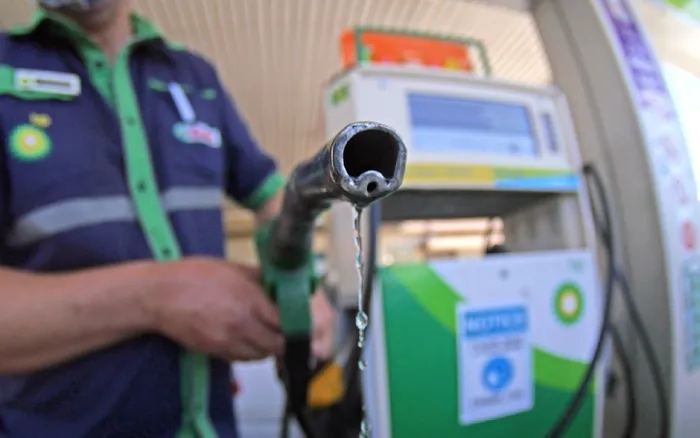
With fuel prices set to rise significantly in April, South African consumers must prepare for the ripple effects on their budgets. This article offers practical advice on managing finances amid rising costs.
Image: Supplied
With a catastrophic, record-setting fuel increase on the cards from April, South Africans are about to feel this fuel increase far beyond the forecourt. When you’re looking at petrol potentially rising by close to R4 a litre and diesel over R6 in April, it doesn’t just hit your tank; it feeds directly into the cost of food, transport and almost every essential in your monthly budget.
We’ve seen this pattern before: fuel goes up, inflation follows, and households that were already stretched suddenly find themselves under real pressure. The risk now is that many consumers try to ‘bridge the gap’ with credit, and that’s where the real danger lies.
Just because you qualify for credit doesn’t mean you can afford it. There’s a big difference between what a lender says you can take on and what your budget can actually sustain when conditions tighten. Too many people build their finances around a ‘good month’ scenario, and when costs spike like this, that structure collapses. Consumers need to shift from reactive to defensive financial behaviour now, before the full impact filters through.
Practical guidance for consumers:
1. Rethink affordability
Consumers must distinguish between bank affordability and real-life affordability. Banks assess based on current income and expenses. But real affordability asks: what happens if fuel, food, or interest rates move against me? If your budget has no breathing room, you’re already overcommitted - even if you’ve been approved. This is not the time to take on new debt to maintain your lifestyle. That includes store accounts, personal loans, or vehicle upgrades. Using credit to absorb rising living costs only creates a delayed, yet deeper crisis.
2. Build a ‘shock buffer’ into your budget
Consumers should actively create margin - even if small. Cut discretionary spend now and redirect that into a buffer. Fuel shocks don’t happen once; they typically come in waves.
3. Actively reduce transport costs where possible
Fuel is now a controllable risk area. Carpooling, consolidating trips, working from home where possible, or even rethinking school and work logistics can make a meaningful difference over a month.
4. Stress-test your finances
A simple exercise: ask yourself: if fuel rises by another R2 and food increases 10%, what breaks in my budget? If the answer is ‘I’d need credit,’ you need to adjust now, not later.
This is one of those moments where small financial decisions over the next 2-3 months will determine whether households stay stable or start sliding into debt.
PERSONAL FINANCE