

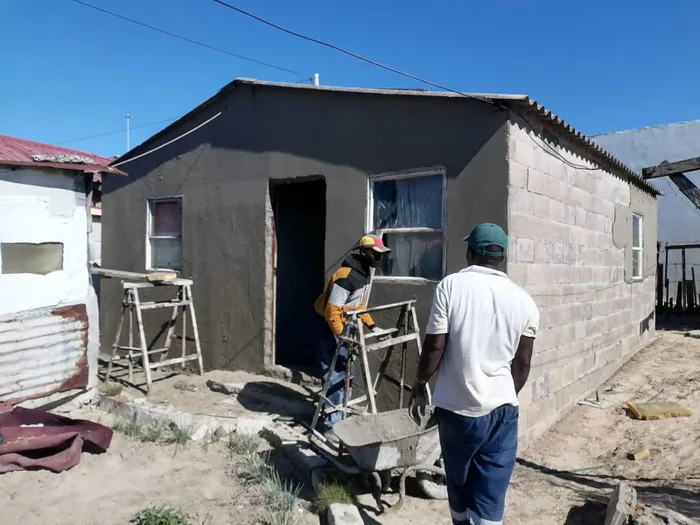
Discover essential tips and expert advice for building your dream home in South Africa, ensuring a successful construction journey while avoiding costly mistakes.
Image: siyavuya khaya
The average cost per square meter of building a standard home in South Africa has nearly doubled over the past decade. While these costs vary widely across the different provinces and depending on what materials are used, it’s safe to say that building a home is one of the biggest financial investments a family will make.
First-time builders and renovators should get it right from the get-go. Whether you’re building your home from the ground up or planning on extending the exterior, it’s critical to get the basics right and involve experts to avoid any costly surprises down the line
To make sure nothing falls through the cracks, I have put together the following practical checklist:
Start with a clear building plan
Start with a comprehensive building plan that clearly reflects your long-term vision, even if the construction will be completed in phases. Planning doesn’t mean executing everything at once, but having a well-structured plan is essential to ensuring a successful build.
Get plans approved by the relevant local authority
Before breaking ground or making any alterations, ensure that all building plans are approved by the relevant local municipality or authority. Unapproved structures can lead to legal complications and may invalidate your insurance cover in the future.
Do the groundwork
Assess soil conditions carefully and ensure that foundations are properly designed and reinforced. Soil conditions can vary significantly across regions, and without proper preparation, foundations may crack, shift, or sink over time. This not only compromises the structural integrity of the building but can also significantly reduce its lifespan.
Use quality materials
While more affordable options may appear attractive. Using sub-standard or informal materials can often lead to significantly higher repair costs and increased safety risks in the future. What may seem like a saving during construction can quickly become a costly problem later on.
Plan for future extensions
Many South Africans are choosing to build or extend their homes incrementally. While this approach offers flexibility and affordability, it also carries significant risks. Without a long‑term plan, these additions can place excessive strain on the original structure. Even heavier roofing materials without reinforcing the original foundation can be a cause of structural failure.
Seek professional advice
Before making changes such as enclosing verandas, removing internal walls, or altering roofing materials, it is essential to consult a qualified builder or engineer. Even minor structural modifications can have serious consequences if not properly assessed.
Understand your insurance policy
Insurance is designed to cover unforeseen events, not construction defects. Before undertaking any building work, it is essential to clearly understand what your policy covers and what it excludes.
Ensure full disclosure with your insurer
It’s critical always to keep insurers informed about any structural changes or additions. Failing to disclose modifications can limit or even invalidate your cover when you need it most.
Safety first
Prioritise safety and durability over short-term savings. Cutting corners may save money upfront, but it can put your family and investment at risk.
Education is power
Education remains one of the most effective ways to protect homeowners. Community-based education initiatives, partnerships with local authorities, and accessible guidance from industry stakeholders are essential to empowering people to make informed building decisions.
With building costs escalating year on year, making informed decisions today can save significantly in the long term. The cost of rebuilding or repairing in the future will inevitably be far higher than getting it right the first time. To make matters worse, insurance cover may be compromised if the correct building processes and requirements have not been followed.
*Hariprasad is the general manager of claims assessment at Miway Insurance.
PERSONAL FINANCE