


Across the world, sovereignty is no longer only challenged by geopolitics or economics, but by platforms, data and digital infrastructure owned and controlled by a handful of global technology companies.
Image: IOL / Ron AI
As the World Economic Forum meets in Davos this week, leaders will once again debate growth, innovation and global stability. Yet one issue that strikes at the heart of modern sovereignty remains largely unspoken. Digital sovereignty.
Across the world, sovereignty is no longer only challenged by geopolitics or economics, but by platforms, data and digital infrastructure owned and controlled by a handful of global technology companies. Governments increasingly deliver public services, engage citizens and store sensitive data on private systems they do not control. This silent dependency is reshaping power in ways democracies are struggling to confront.
In my book The Silicon Empire vs Social Impact, I argue that the defining struggle of our time is who controls the digital public square. The GovChat versus Meta battle is not a narrow legal dispute. It is a warning. When public interest technology is built on private infrastructure, the state becomes a tenant in its own house. Access, rules and data are ultimately governed by corporate interests, not democratic mandate.
This is not a South African problem. It is a global one. From elections to service delivery, critical decisions about visibility, access and data are increasingly made far from parliaments and courts. When governments lose control of their digital channels, sovereignty becomes conditional.
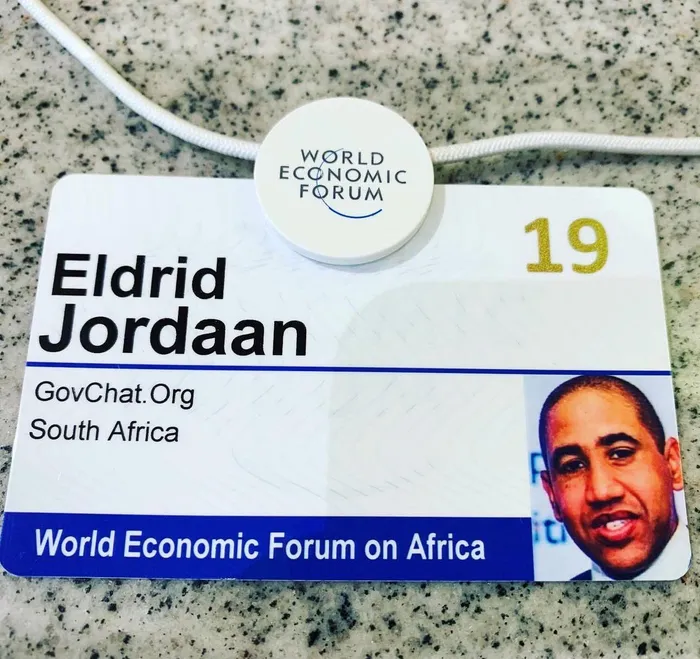
Prof Eldrid Jordaan.
Image: Supplied
WEF must confront this directly. Digital sovereignty is not anti-innovation or anti-private sector. It is pro democracy. Partnership must not become dependency. Public interest technology cannot rest on infrastructure that governments do not govern, and citizens cannot hold accountable.
Data is the new soil of sovereignty. Governments that do not control citizen data do not fully control their future. Identity, payments, citizen engagement and data platforms are strategic national assets, not conveniences to be outsourced.
Davos should move beyond abstract discussions of trust and ethics and address structural power in the digital economy. Governments must be called to build, own and govern foundational digital platforms in the public interest.
Digital sovereignty is about agency, accountability and democratic control in the digital age. If WEF is serious about the future of governance, it must put this issue at the centre of the global agenda.
* The views expressed do not necessarily reflect the views of IOL or Independent Media.