

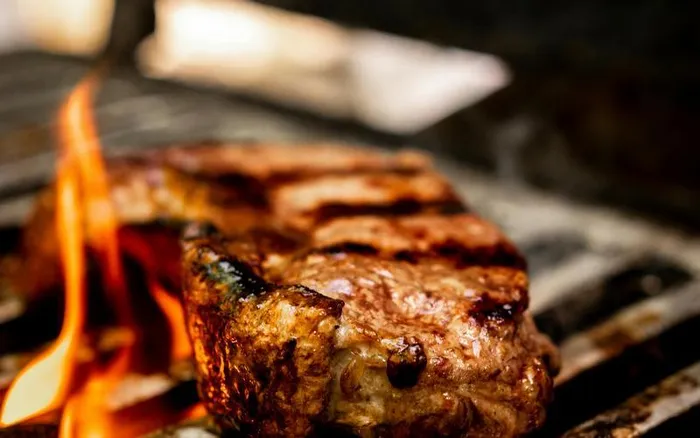
Meat inflation remains high due to foot-and-mouth disease, but monthly increases are easing.
Image: Pexels
A nice piece of steak when you host a braai with your mates now costs up to 29% more than it did just three years ago.
New figures from Statistics South Africa comparing prices from December 2022 to December 2025 show that consumers are paying significantly more for key braai staples, with meat products driving much of the increase.
Beef prices recorded one of the steepest climbs.
A kilogram of beef rump steak rose from an average of R166,01 in December 2022 to R214.45 in December 2025 – an increase of 29%. That translates into nearly R50 more per kilogram.
Other essentials followed a similar upward trend.
Pork chops increased by around 13%, maize meal climbed roughly 20%, while tomato sauce rose about 16% over the same period.
While individual price increases may appear manageable, together they push up the overall cost of a typical braai.
Economists say broader agricultural pressures have contributed to rising food prices.
Foot-and-mouth disease has been cited as one of the factors behind elevated meat inflation, which has placed strain on the food and non-alcoholic beverages segment of the consumer price index basket.
Johann Els, chief economist at PSG Financial Services, previously said “meat inflation remains high due to foot-and-mouth disease, but monthly increases are easing”.
Els pointed to the fact that beef prices rose just 0.4% in November.
South Africa is currently experiencing what has been called the worst Foot and Mouth Disease (FMD) outbreak in recent memory across seven provinces.
The outbreak, in 2021, has heavily impacting the livestock industry and caused a 26% drop in 2025 beef exports due to international trade bans.
As of early 2026, KwaZulu-Natal remains the epicentre with 207 reported outbreaks.
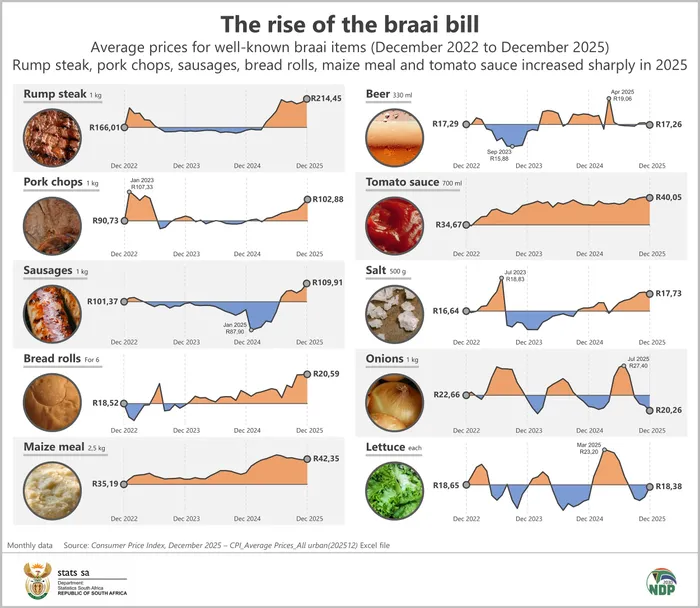
The rising cost of your braai.
Image: Statistics South Africa
However, Statistics South Africa said that not every item became more expensive.
The agency noted that 330ml beer, onions and lettuce were cheaper in December 2025 than they were in December 2022.
Yet, Statistics South Africa cautioned that fresh produce prices remain volatile and are often influenced by seasonal factors.
It also highlighted changes within the inflation basket itself.
Boerewors was reclassified into its own consumer price index category in January 2025. Garlic, butter and natural spices were among additional food items introduced.
Consumer price index data for January 2026 is scheduled for release on 18 February.
IOL BUSINESS