

Glencore won a tax court bid over a joint venture.
Image: Glencore
A full bench of judges at the Supreme Court of Appeal blocked an attempt by the South African Revenue Service (SARS) to escalate a diesel rebate dispute from about R5 million to nearly R83 million, ruling the move went beyond its powers.
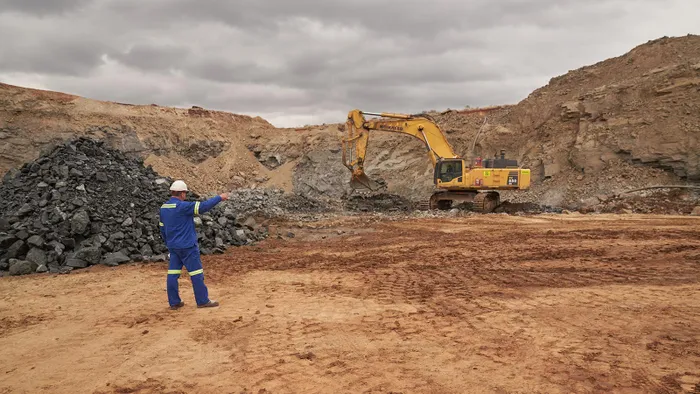
The case centres on the Goedgevonden joint venture (JV), a large Mpumalanga coal operation with an estimated 200 million tonnes of reserves and annual production of about 6.7 million tonnes.
The mine is operated through a joint venture between African Rainbow Minerals, founded by billionaire businessman Patrice Motsepe, and global commodities giant Glencore, with ownership split 51% and 49% respectively.
Glencore, previously Xstrata, is one of the world’s largest natural resource companies, with operations across more than 30 countries and a workforce exceeding 140,000 employees and contractors.
SARS initially disallowed roughly R5.1 million in diesel refunds following an audit. But when the matter moved through its internal appeals process, the claim expanded sharply to R82.98 million – an increase of more than 1,500%.
The court rejected that escalation outright. The matter was on appeal from the South Gauteng High Court in Johannesburg.
It found that the National Appeal Committee did not have jurisdiction to hear the matter when it was referred and had acted beyond its powers by introducing new grounds during the appeal process.
“An internal administrative appeal… remains an appeal against an existing determination and not an opportunity to initiate a fresh assessment on new grounds,” the court said.
The increase in the amount, the court found, effectively turned an appeal into a new tax assessment – something it was not empowered to do.
“The increase… did not represent a recalculation… but rather the substitution of the original determination with a fundamentally different assessment,” the judgment said.
At the heart of the dispute was whether the joint venture itself qualified for diesel rebates, despite the mining right being held in Glencore’s name.
SARS argued that only the holder of the mining right could claim the refund. But the court found that this ignored how the mining right was structured in practice.
“The definitive answer is the JV,” the court said in determining which entity was authorised to conduct the mining operations.
Crucially, the judgment found that the mining right granted by the state required operations to be conducted through the joint venture structure, including to meet empowerment requirements.
“It was clearly spelled out in the JV agreement that, although Glencore contributed the mining rights to the joint venture, those rights were an asset held by the joint venture,” the ruling read.
That meant the same structure approved by government for mining could not then be excluded from tax relief.
The court also found that SARS failed to properly consider its discretion to allow the refund, despite the fuel being used for lawful mining activities under a valid authorisation.
“The failure even to engage with this question is antithetical to the statute’s design,” the court said.
While the court acknowledged a delay of several years in finalising the matter, it found this did not invalidate the decision.
IOL BUSINESS