

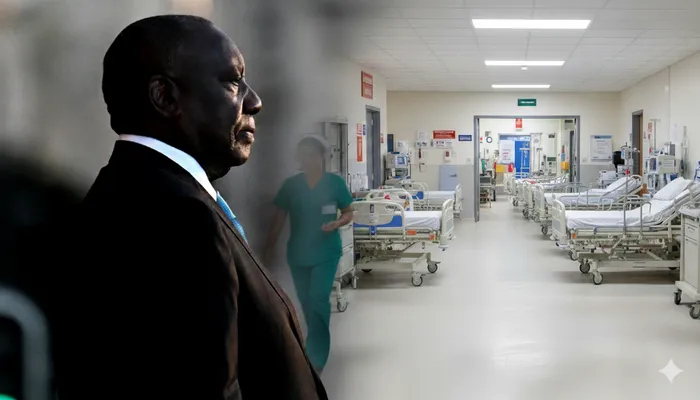
Medical scheme warns that funding decisions will decide if Ramaphosa’s hospital and prevention commitments translate into change.
Image: Gemini AI / GCIS
Bestmed Medical Scheme said Wednesday’s National Budget must back government’s health commitments with meaningful funding, warning that pressure on the healthcare system continues to intensify.
The scheme’s comments follow health-related pledges made by President Cyril Ramaphosa earlier this month during his State of the Nation Address, during which he outlined plans for increased investment in healthcare infrastructure and prevention.
Ramaphosa said government would undertake “substantial investment in health infrastructure, prioritising the construction and revitalisation of academic hospitals”.
The president also highlighted expanded prevention efforts, including the rollout of Lenacapavir for HIV prevention and campaigns to ensure every girl aged nine to 15 receives the Human Papillomavirus vaccine.
Bestmed CEO and principal officer Leo Dlamini said these priorities were encouraging, particularly given longstanding challenges in the public health sector.
“The commitment to upgrading hospitals, including academic institutions, and investing in health personnel is a welcome step,” said Dlamini.
Dlamini added that “better facilities mean more space for doctors, improved working conditions and a health system equipped to deliver quality care to all South Africans.”
Prevention programmes were equally important as South Africa battles rising healthcare costs and a growing burden of disease, said Dlamini.
“Preventative care is not just a health imperative – it is an economic one,” said Dlamini.
“Educating communities, promoting regular screenings and encouraging healthy lifestyles reduce long-term healthcare costs, prevent avoidable illnesses, ease pressure on the health system and ultimately strengthen national productivity.”
But Dlamini said significant challenges remain.
Rising costs and high claims ratios continue to strain medical schemes and their members, while private healthcare growth has stagnated, he said.
This environment, he warned, risks limiting investment and job creation across the broader healthcare industry.
“We urge clear regulation of Prescribed Minimum Benefits and proper demarcation between medical insurance and medical aid products,” said Dlamini.
Dlamini added that “a level playing field and stronger oversight are critical to sustaining private healthcare and tackling the growing burden of lifestyle diseases”.
Ramaphosa’s address also linked healthcare investment to preparations for National Health Insurance, stating that government is investing in “health facilities, personnel and systems to improve access to quality care”.
Dlamini said alignment between Budget allocations and National Health Insurance planning would be critical.
“South Africa’s healthcare future depends on both public and private sectors working together,” he said.
Dlamini added “ahead of the Budget, we call on government to prioritise investments in infrastructure, prevention and regulation – measures that will safeguard patients and strengthen the health system”.
IOL BUSINESS