

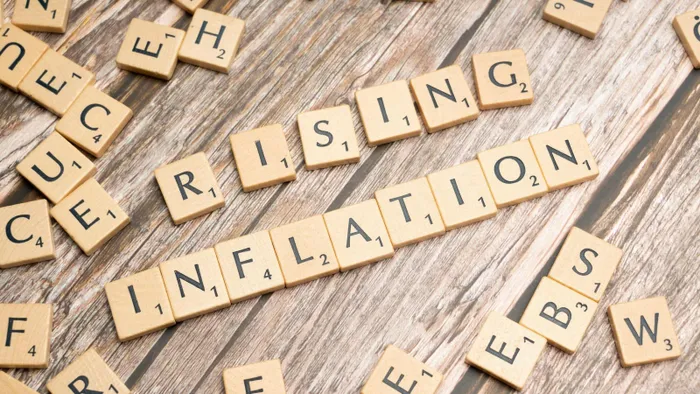
The effects of the war in the middle East are filtering through to everyday inflation.
Image: Markus Winkler | Pexels
South Africa’s headline year-on-year inflation surged to 4.0% in April, a sharp rise from the 3.1% recorded in March, and also exceeded industry forecasts as record fuel price hikes started filtering through the economy.
However, it appears that the worst is still to come, with several economists predicting that inflation will edge even higher in May, with many forecasts clustered around the mid-4% range.
At the upper end of the forecasts is FNB’s projection that headline inflation will rise to 4.6% year-on-year (y/y) in May. This is based on its updated inflation model using April’s inflation data released on Wednesday. This also aligns with Nedbank’s prediction that CPI inflation will peak at around 4.6% in the second quarter of 2026.
Next month’s inflationary pressure will once again be driven by higher fuel prices, which will continue to filter through to transport costs. However, an oversupply of some food products is likely to keep near-term food inflation contained, FNB said.
However, the rising inflation rate is certainly putting pressure on the SA Reserve Bank’s (SARB) Monetary Policy Committee ahead of its next interest rate decision on May 28.
Thys van Zyl, CEO of Everest Advisory Services, said next week’s announcement would provide an important indication of how concerned the Reserve Bank is about the latest inflationary pressures.
“The Reserve Bank will have to tread very carefully. Inflation is now moving away from the 3% level it prefers, while global inflation risks are also increasing. This reduces the scope to simply keep interest rates unchanged indefinitely,” Van Zyl said.
Reza Hendrickse, portfolio manager at PPS Investments, said the latest inflation data would complicate the Reserve Bank’s near-term decision-making, but it would not necessarily derail the broader disinflation narrative.
“The Bank has consistently emphasised that it will look through first-round effects of supply-side shocks. With the repo rate at 6.75% and real rates firmly positive, the SARB retains some optionality, but the bar for further easing has risen,” Hendrickse said.
However, he added that rand stability was a key risk worth monitoring, as any further currency depreciation would make it difficult for the SARB to maintain its “patient” bias.
Koketso Mano, senior economist at FNB, expects the Reserve Bank to retain a cautious, slightly hawkish bias, with limited tolerance for further upside surprises. To that end, the bank predicts a 25-basis-point hike at the next meeting.
Mano said broader energy inflation remains a key upside risk for South Africa.
“Although temporary relief measures have been extended to limit fuel price increases, fuel costs remain elevated. The general fuel levy relief is expected to be phased out by July, potentially exposing consumers to further fuel price pressures while the impact of the war lingers. In addition, higher electricity costs will also lift consumer inflation as the municipal tariff survey draws closer,” Mano added.
ALSO READ: What to expect from June fuel prices as tax relief rollback limits diesel relief
IOL Business