

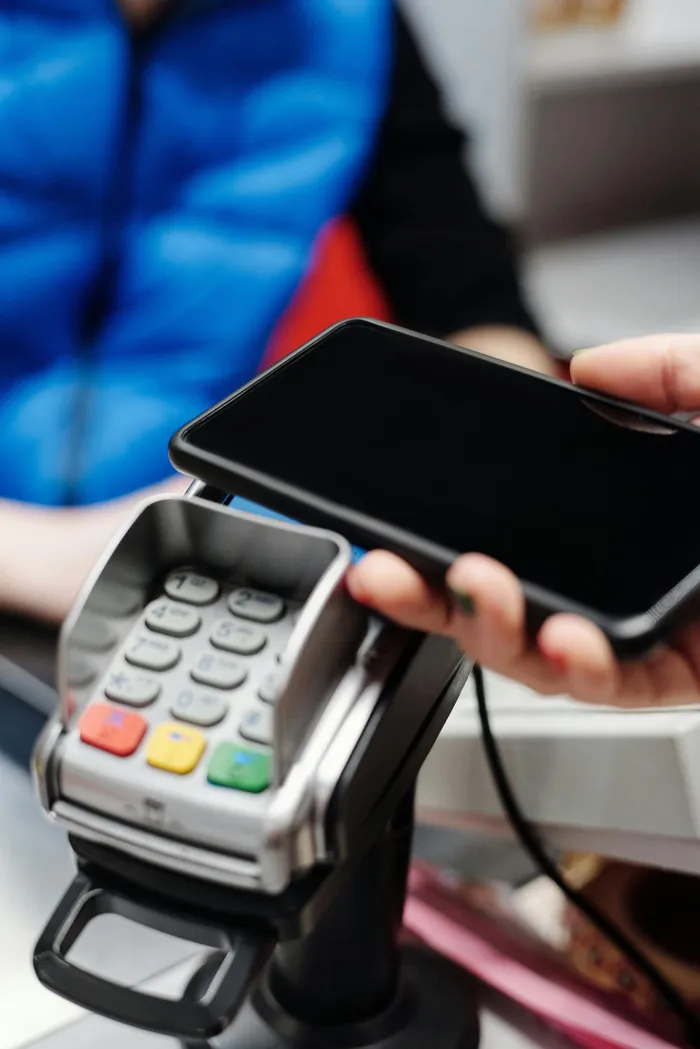
Dive into the innovative world of Buy-Now Pay-Later as we explore how South African platforms like PayJustNow are reshaping how consumers manage their finances—responsibly assessing repayment ability over debt appetite in a growing economic landscape.
Image: Pexels.com
In an era where financial prudence is paramount, South African consumers are increasingly turning to Buy-Now Pay-Later (BNPL) services to manage their budgets more effectively.
According to the State of Pay 2025 report, the utilisation of BNPL options has seen exponential growth, more than doubling within a year, with platforms like PayJustNow registering around 100,000 new customers each month.
However, with this rise in popularity comes a crucial question: how do these platforms assess what limits to provide their customers responsibly?
The answer lies in a pivotal distinction made by BNPL providers—they focus more on assessing a customer’s repayment ability and behaviour rather than merely their appetite for debt.
As users navigate the complexities of financial commitments, understanding this approach can empower them in their spending decisions.
Unlike traditional lending applications that might rely heavily on theoretical borrowing limits, BNPL platforms seek a more nuanced understanding of a customer’s financial landscape.
This is achieved through a predicted income view that blends insights from credit bureaus with the self-reported information that consumers provide upon signing up.
The aim is to create a realistic portrayal of what individuals can afford to repay over time.
Dean Hyde, Chief Operating Officer at PayJustNow, emphasises the company's mission for responsible access: “We want to understand what a customer can comfortably manage to pay back, not what they could stretch themselves to. This means approvals are based on day-to-day realities, not just historical data.”
This commitment to responsible lending is a breath of fresh air in a landscape often marred by predatory lending practices.
A unique characteristic of BNPL platforms is their 'low and grow' strategy for new customers.
Typically, individuals begin with smaller limits, which correspond with their financial footprint.
This method allows customers to establish consistent repayment behaviour over time, enabling them to unlock higher credit limits as trust is built between the customer and the provider.
I'mportantly, these platforms have clear safeguards in place.
Consumers under debt review or those who are blacklisted are not eligible for service, an essential measure that helps to prevent further financial strain and ensures individuals engage with the service responsibly.
As the customer-provider relationship evolves, behavioural patterns become a critical metric for assessing risk and reliability.
BNPL providers, including PayJustNow, develop individual behavioural scorecards that track repayment consistency, shopping habits, and other alternative data points, which are significant indicators of financial stability.
“Repayment behaviour is one of the strongest indicators we have,” Hyde states. “It shows planning and intent.” Such insights allow BNPL platforms to adjust limits dynamically, ensuring that credit remains aligned with actual financial capabilities.
The protection of consumers is another cornerstone of the BNPL approach.
Upon signing up, customers verify their identity through a government-issued ID and selfie, reinforcing security protocols.
This level of verification may be required again if there’s a notable change in shopping behaviour, which further decreases the likelihood of fraudulent activity and reassures both shoppers and merchants.
At the point of purchase, customers must make an initial instalment, ensuring a level of commitment to their financial planning before triggering further credit access.
This first payment is crucial; it signals readiness and a vested interest in staying current with repayments. According to PayJustNow data, this method translates to a remarkable default rate of less than 2%, reinforcing the notion that flexible payments can harmonise with responsible financial behaviour.
As South Africans increasingly seek interest-free payment options that adapt to their economic realities, the BNPL model is demonstrating itself as a prudent way forward for consumers navigating financial uncertainty.
BUSINESS REPORT