


Are you a South African SME struggling with tax compliance? Discover the common pitfalls that could jeopardise your business and learn how to manage your tax obligations effectively.
Image: File.
Many South African small and medium enterprises (SMEs) severely underestimate the time and money required to stay on top of their taxes.
Consequently, poor tax management is widely recognised as one of the leading contributors to the failure of otherwise viable small businesses in South Africa.
This is according to Tshinyi Mavhusha, Managing Director of Growth Firm and a business mentor contracted to the Business Partners Limited Supplier Development Programme.
“Once tax obligations are neglected, penalties, interest and enforcement actions from SARS can quickly spiral out of control, placing severe strain on an SME’s already constrained cash flow,” she explains.
Non-compliance, Mavhusha says, is typically due to a combination of limited understanding and cost-related constraints.
“Many SME owners do not fully understand the different tax elements applicable to their businesses and the cost of tax compliance is often underestimated or not considered at all.”
A common issue is the mixing of personal and business finances.
This may seem harmless in the early stages, particularly for sole proprietors, but it creates serious problems when it comes to record-keeping and tax submissions.
“Poor record-keeping makes it difficult to accurately substantiate income and expenses,” she explains. “This increases the likelihood of errors, audits and ultimately higher tax liabilities when deductions cannot be justified.”
Closely linked to this is late or non-payment of taxes.
This is often driven by cash flow pressure or poor planning, but the consequences can be severe. “Penalties and interest accumulate automatically, causing liabilities to escalate rapidly,” she notes.
“Over time, this can lead to enforcement actions such as debt collection or asset attachment, which can disrupt operations and damage a business’s reputation.
“Unlike administrative errors, late or failure to file returns is treated as a serious compliance breach, making the compliance and financial consequences more severe for SMEs,” she adds.
When businesses do fall behind, there is often a tendency to avoid the problem rather than address it. “Proactive engagement with SARS, even when a business cannot meet its full obligation immediately, is always better than silence,” Mavhusha advises.
To avoid these pitfalls and ensure compliance, she recommends the following:
She reminds SMEs, however, that the legal responsibility ultimately rests with the business owner.
“Many small business owners mistakenly believe that tax compliance is solely the responsibility of their accountants,” she says. “While accountants play a key supporting role, a lack of owner involvement and accountability often results in poor decision‑making and delayed corrective action.”
Beyond compliance, Mavhusha encourages SMEs to approach tax more strategically to align with broader business goals.
“Tax planning should not be limited to year-end activities; it should be continuous and proactive. For example, if growth requires new equipment or technology, tax rules on depreciation or expensing can influence timing.”
It’s time South African SMEs view tax as more than just a compliance obligation, but as a critical part of their holistic financial management and business strategy.
By staying informed, planning, and being strategic when structuring their tax, SMEs can protect themselves from unnecessary risk and build a stronger foundation for sustainable growth.
Jeremy Lang, Managing Director at Business Partners Limited.
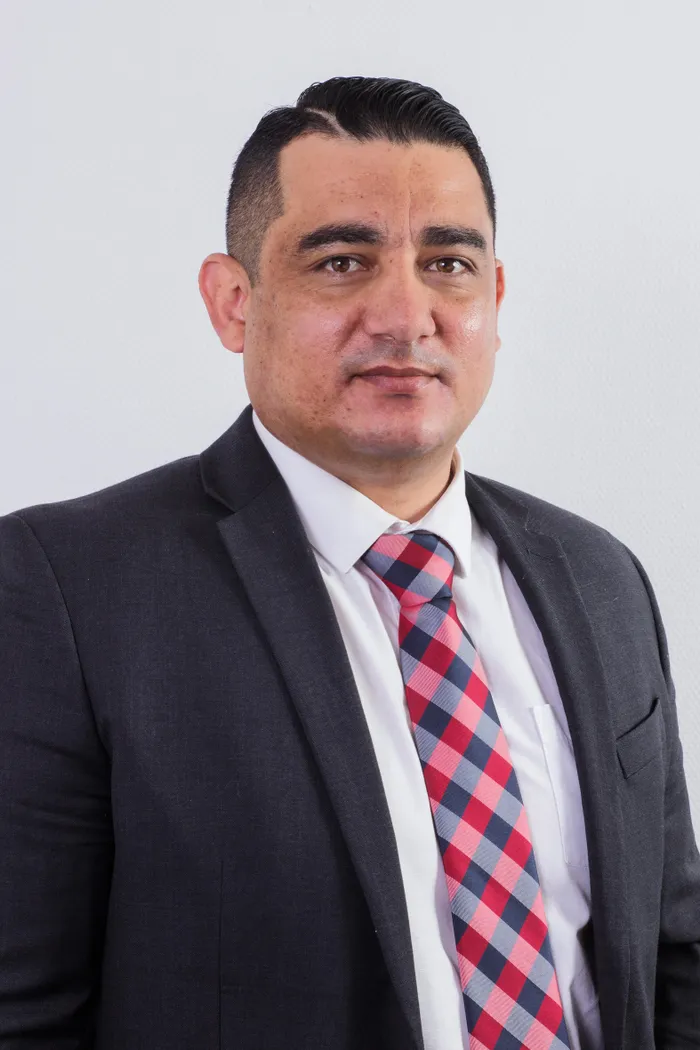
Jeremy Lang is the managing director at Business Partners Limited.
Image: Supplied
Follow Business Report on Facebook, X and on LinkedIn for the latest Business and tech news.