

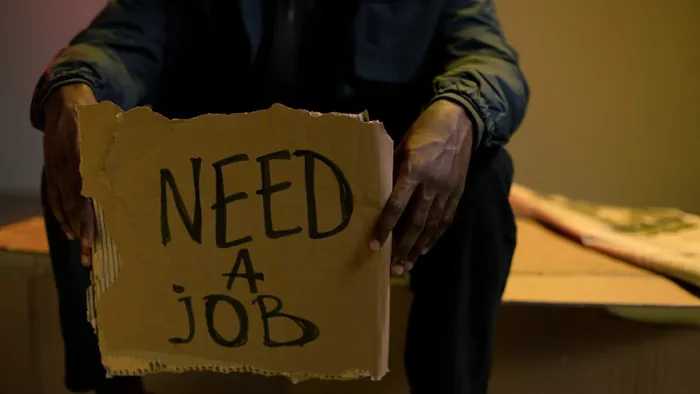
South Africa's youth unemployment crisis has reached alarming levels, with nearly 46% of young people out of work. As the nation approaches Youth Month, the need for urgent action to create sustainable job opportunities has never been more critical.
Image: Ron Lach/Pexels
As the country recently commemorated Workers’ Day, millions of young people questioned the true significance of celebrating work in a nation where the majority of its youth remain unemployed.
The latest unemployment statistics paint an even more worrying picture. South Africa’s overall unemployment rate has increased to 32.7%, while youth unemployment continues to rise sharply, now sitting at nearly 46% - and this is still excluding the expanded definition of unemployment. The figures point to a labour market that is struggling to absorb new entrants, particularly young people entering the economy for the first time.
While there have been slight improvements in sectors such as manufacturing, the sustainability of these opportunities remains uncertain. Many of these jobs are seasonal, temporary, or vulnerable to economic fluctuations, making long-term stability difficult for young people seeking meaningful employment.
Young black women continue to be among the most economically vulnerable groups in the country - a painful trend that has remained consistent over several quarters. This ongoing reality reflects deep structural inequalities that continue to lock many young people out of economic participation.
The continued rise in youth unemployment is not just another statistic; it is a serious national concern. It further dims the hopes and aspirations of millions of young people, especially as the country approaches Youth Month in June - a month meant to honour the struggles and dreams of the youth. For many young people who are employed, the reality is often short-term, informal or economically vulnerable work that offers little long-term security or progression.
What remains even more concerning is the absence of a bold and urgent plan of action to address youth unemployment. The economy continues to struggle under both domestic pressures and global turbulence, leaving many young people trapped in cycles of poverty and hopelessness. Economic pressures, including rising fuel and operating costs, also continue to place a strain on sectors such as transport and the broader gig economy, where many young people are trying to make ends meet.
Youth unemployment is spiraling out of control. It can no longer be treated as a secondary issue or reduced to quarterly statistics and political talking points. The country urgently needs a coordinated response from government, business, labour, and civil society to create sustainable economic opportunities for the youth before an entire generation is lost to unemployment and despair. Addressing this issue requires more than short-term interventions.
South Africa needs stronger alignment between education, skills development,, and sectors with real growth potential - including digital services, infrastructure, energy, agriculture and entrepreneurship. Work-readiness, workplace exposure, and employer-led training pathways will be critical if young people are to participate meaningfully in the economy.
PERSONAL FINANCE