

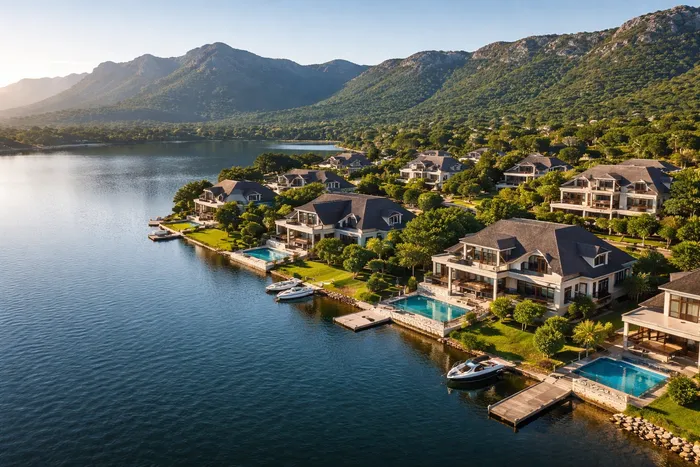
Public comment closes today on draft regulations that could dramatically restrict access to South Africa's dams, putting billions in waterfront property values at risk.
Image: Sora
The value of your R2 million dam home – or R16 million Hartbeespoort property – could be at risk as public comment closes today on draft regulations that would tighten control over access to South Africa’s dams.
This comes as draft regulations published by the Department of Water and Sanitation propose to deal with “the management and control of government waterworks and surrounding state-owned land for recreational purposes”.
The proposals, issued under the National Water Act, could fundamentally change how South Africans access public dams, introducing new controls, approval requirements and potential lease agreements for the use of water and surrounding land.
At their core, the regulations shift dam access from a public activity to a regulated, permission-based system – a change that has already drawn objections from property stakeholders and industry players warning of economic and access impacts.
The draft regulations aim to tighten control over access to state dams and surrounding land, which are currently used for a mix of public, recreational and commercial activities.
The department is effectively trying to formalise how these spaces are used, introducing approval requirements, management plans and clearer rules to address safety risks, environmental concerns and competing water uses.
In practical terms, activities that are currently taken for granted – such as launching a boat, using a jetty or accessing the water from certain areas – could require formal approval, permits or even lease agreements, depending on how each dam is managed.
Chas Everitt International says the draft regulations include new approval requirements and potential lease agreements for the use of dam surfaces and access infrastructure such as slipways and jetties.
That marks a shift from largely open, informal access to a system where use of dams and surrounding infrastructure is more tightly controlled by the state.
The regulations are likely to have significant unintended consequences for property values, lifestyle estates and local economies built around water-based recreation, according to Chas Everitt International CEO Berry Everitt.
“These dams are not only critical national water assets, they are also some of South Africa’s most important lifestyle and tourism destinations. They support boating, fishing, nature tourism, weekend accommodation markets and a wide range of small businesses,” Everitt adds.
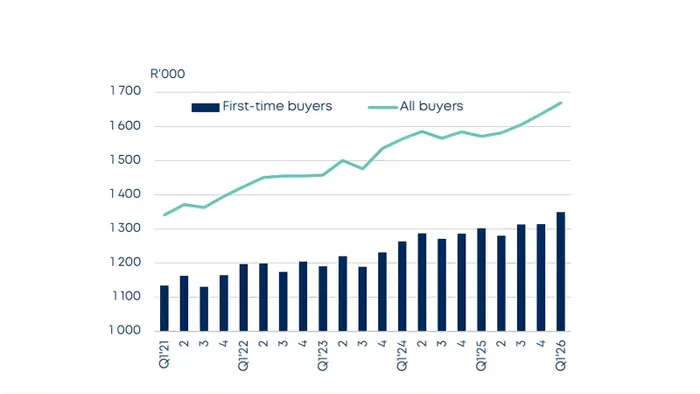
Average house prices as of the first quarter of 2026.
Image: BetterBond.
The impact could extend to thousands of properties – and potentially tens of thousands when surrounding towns and estates are included. Waterfront homes can command premiums of between 20% and 50%, meaning any uncertainty around access could directly affect pricing.
“The implications could be particularly severe for properties situated around some of the country’s best-known dams, including the Gariep Dam, Vaal Dam, Hartbeespoort Dam, Theewaterskloof Dam, Loskop Dam, Sterkfontein Dam and Pongolapoort Dam,” Everitt says.
Everitt notes that demand for waterfront and near-water properties is strongly linked to unrestricted access and lifestyle expectations. Any regulatory changes that introduce uncertainty around access rights, recreational use or the cost of using the water could directly impact buyer sentiment.
“Waterfront property derives much of its value from access and usability. If that access becomes subject to additional approvals, leases or administrative barriers, it changes the investment case for both primary homes and holiday properties,” says Everitt.
Houses along the Vaal Dam, for example, command an average price of R2 million, while Hartbeespoort properties can be worth as much as R16 million.
The South African average as of this month is R1.67 million – a new record. BetterBond’s April Property Brief notes that average home prices have reached new highs, with first-time buyers entering the market at R1.35 million.
“Many waterfront properties also command a premium specifically due to their recreational appeal and proximity to tourism activity, which benefits local businesses and communities,” says Everitt.
Everitt adds that any restrictions could not only affect property values but have a negative ripple effect on entire local economies by reducing the demand for the services they provide, including hospitality, boating, angling, camping and retail.
While recognising the need for responsible water management, Everitt says regulation must carefully balance environmental governance with economic sustainability and existing usage rights.
“We are strongly encouraging affected property owners, buyers and investors to urgently lodge their objections to the proposed regulations before the 15 April 2026 deadline.”
IOL BUSINESS